
Hair Transplant Colombia

Best Quality
Best Experience
Best Savings

Regain Your Hair & Confidence

If you suffer from hair loss, thinning hair, or a receding hairline, you can restore your hair and confidence with a safe and effective hair transplant in Colombia.
We provide all-inclusive hair restoration in Bogotá, Medellín, and Cali.

  Cheif Patient officer (CPO)
Max Ross
Max Ross

Have a question?

Feel free to contact us!

Fill out the form and one of our representatives will get back to you as soon as possible

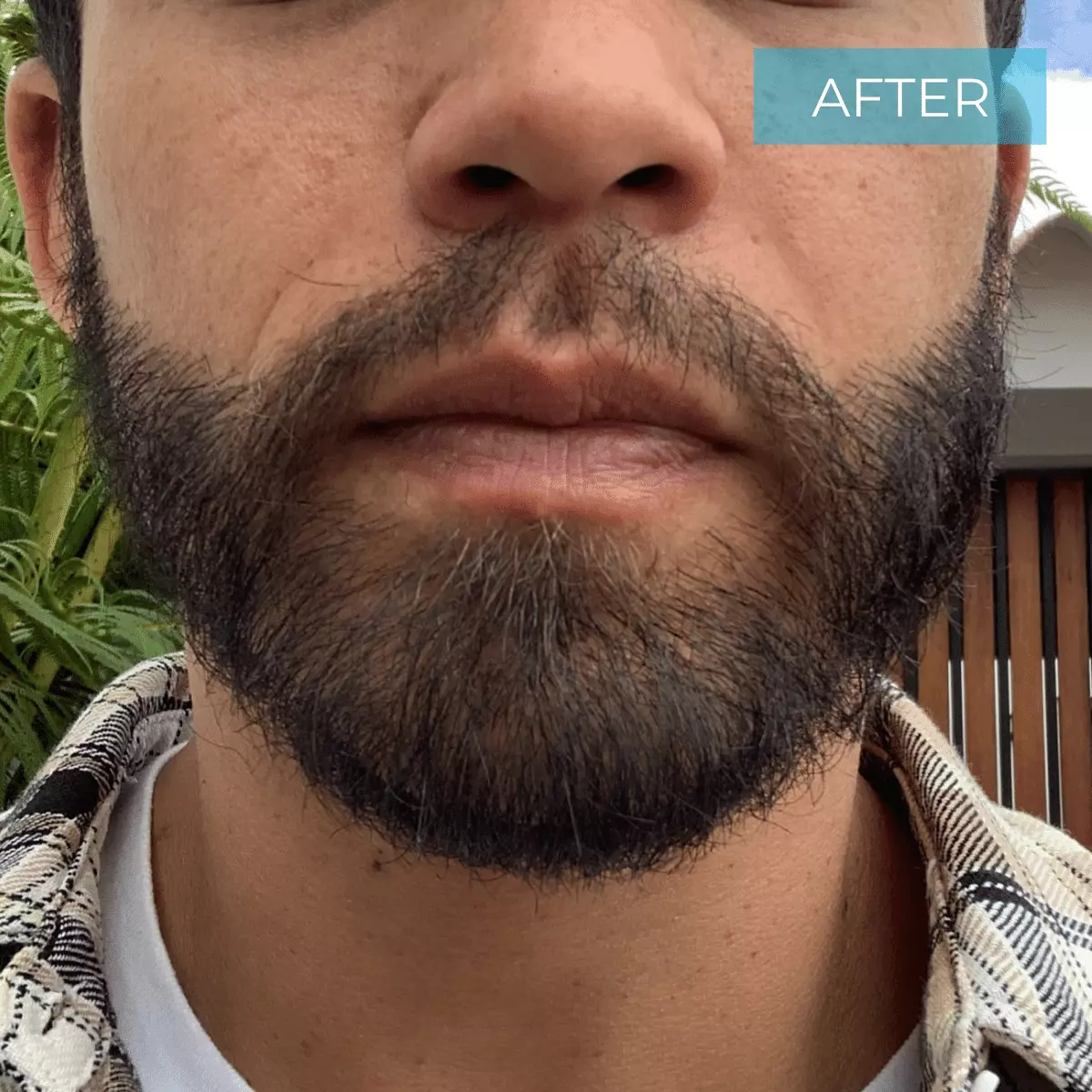
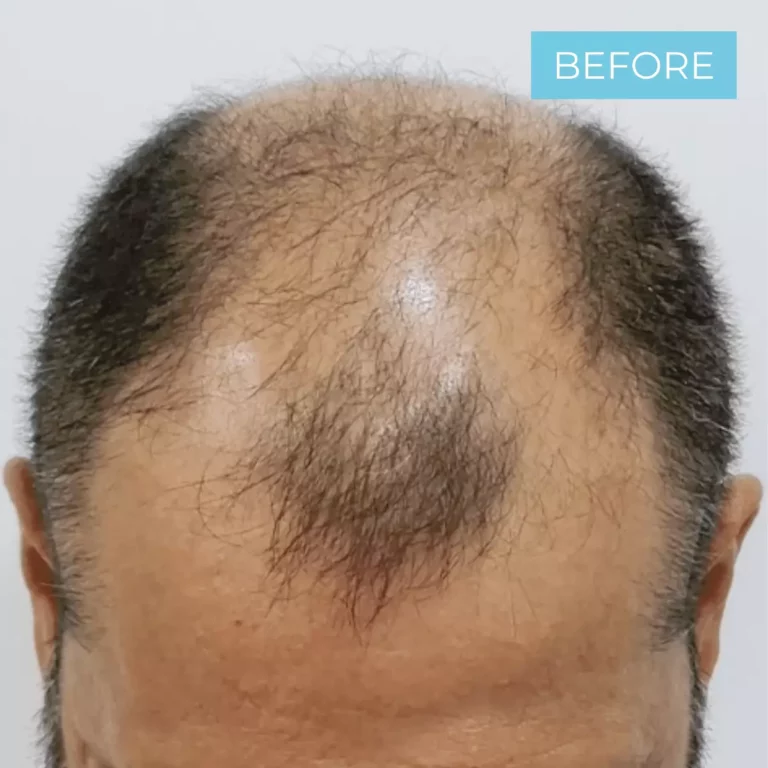
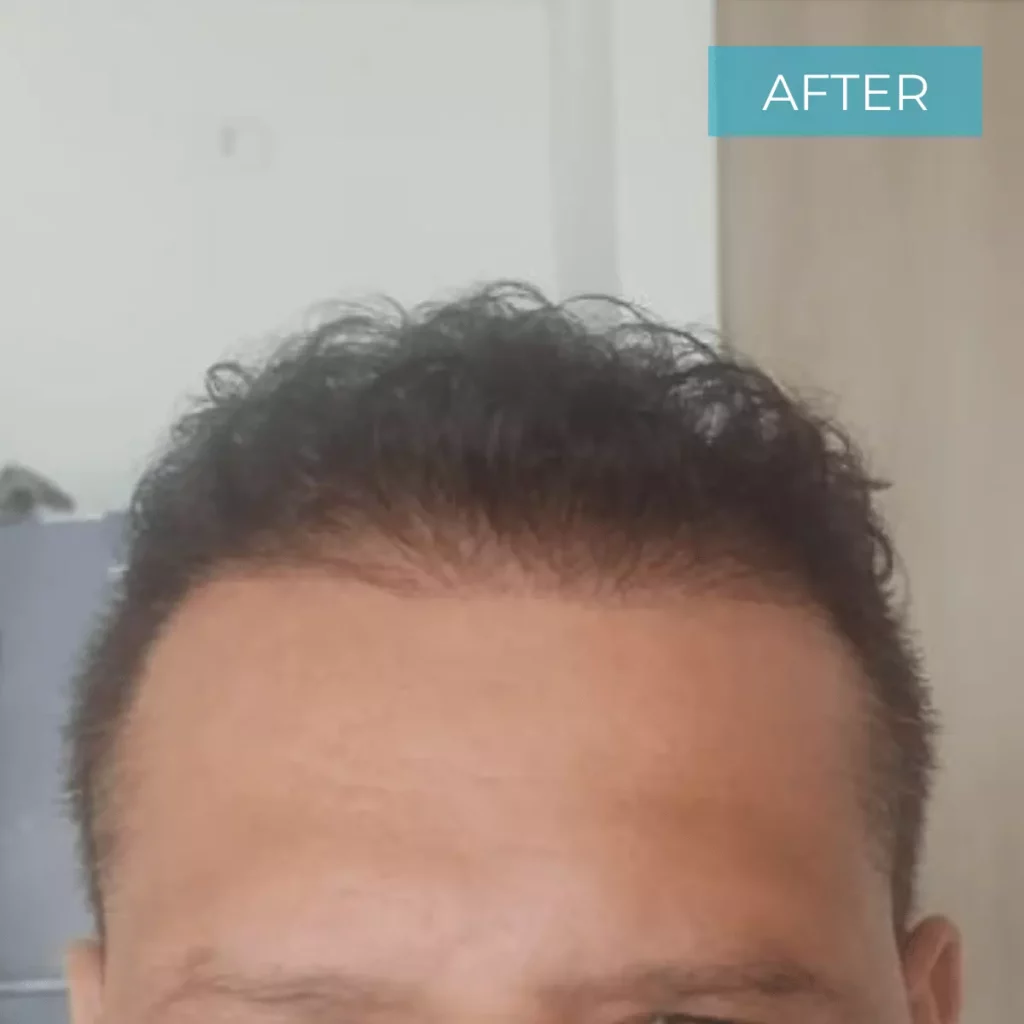
Before & After

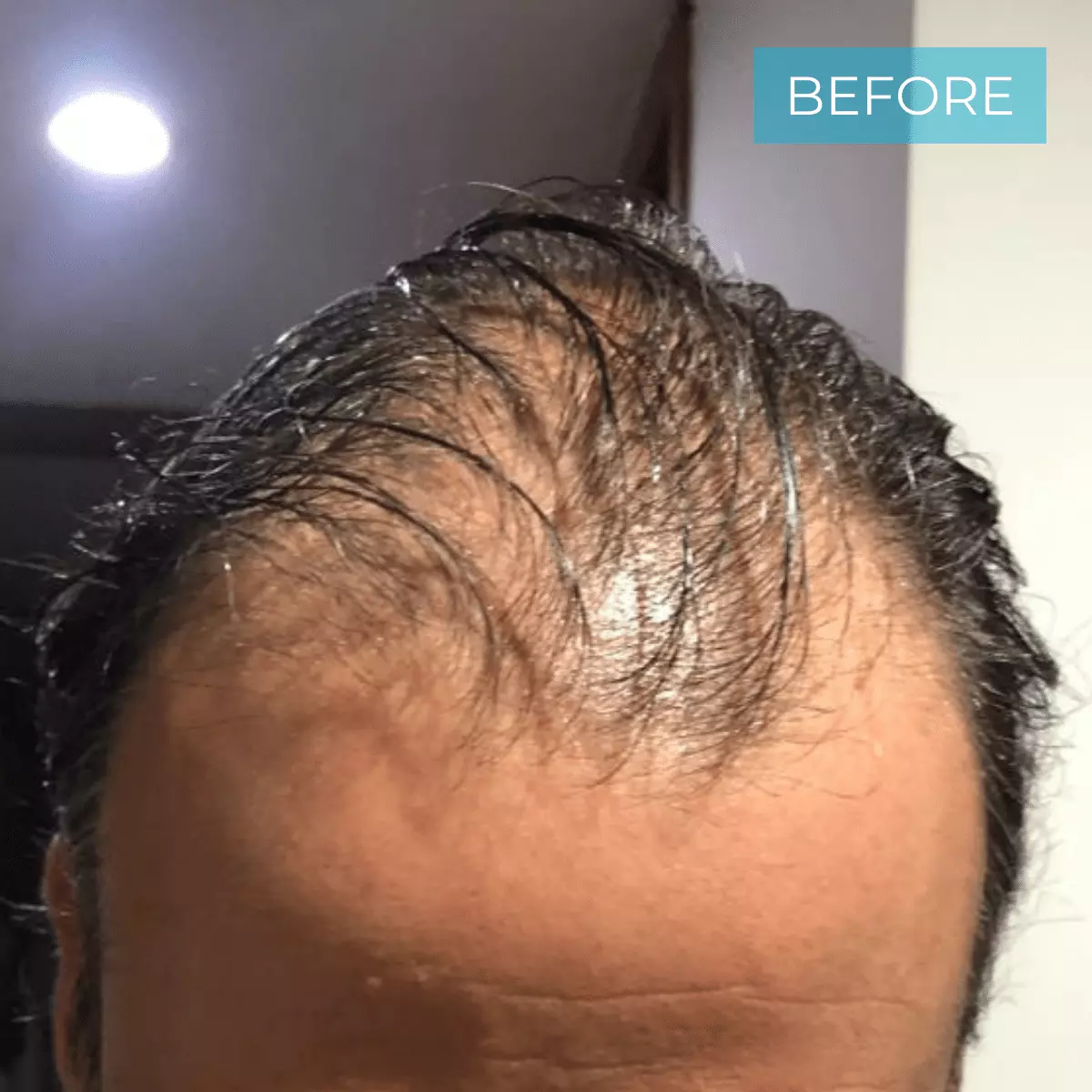
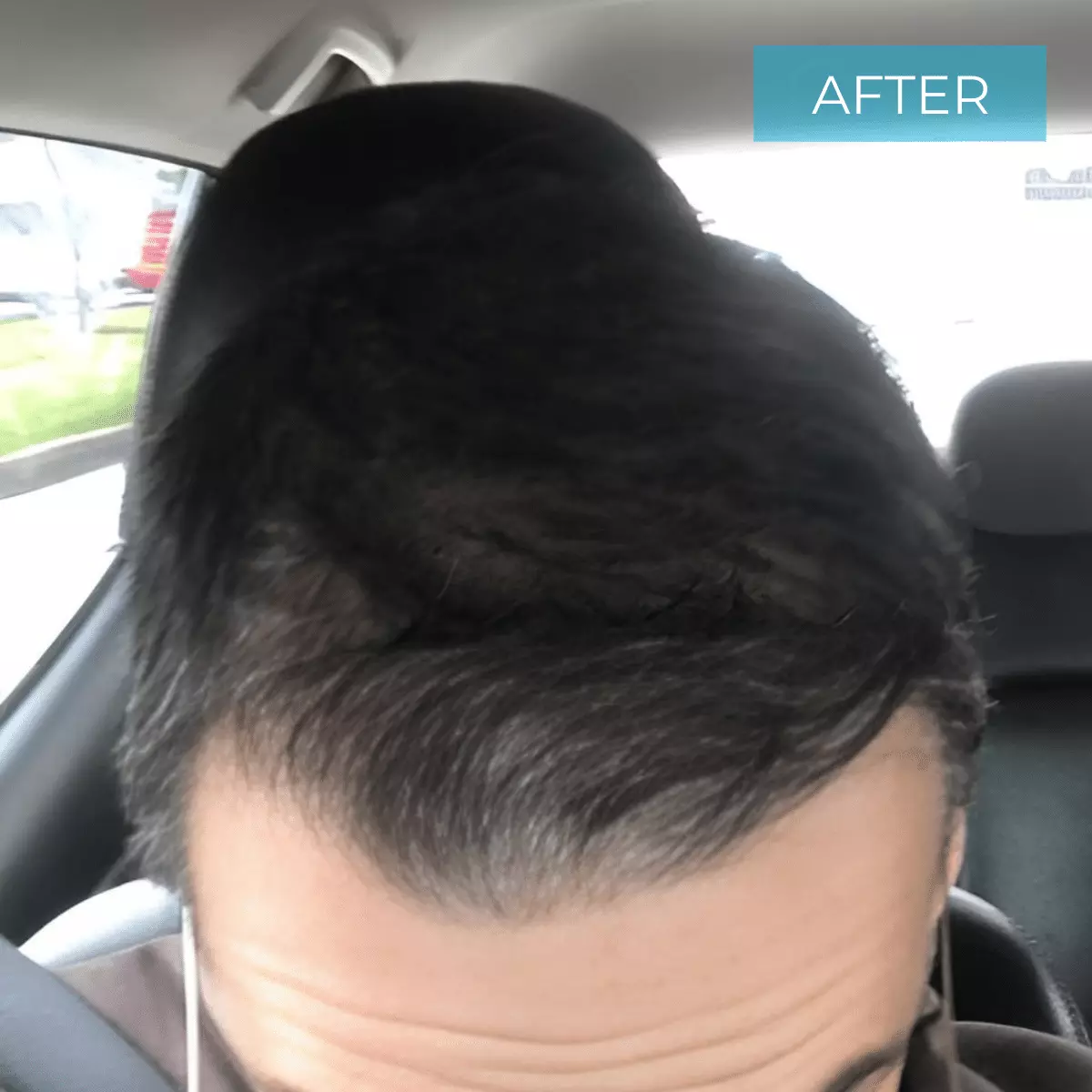
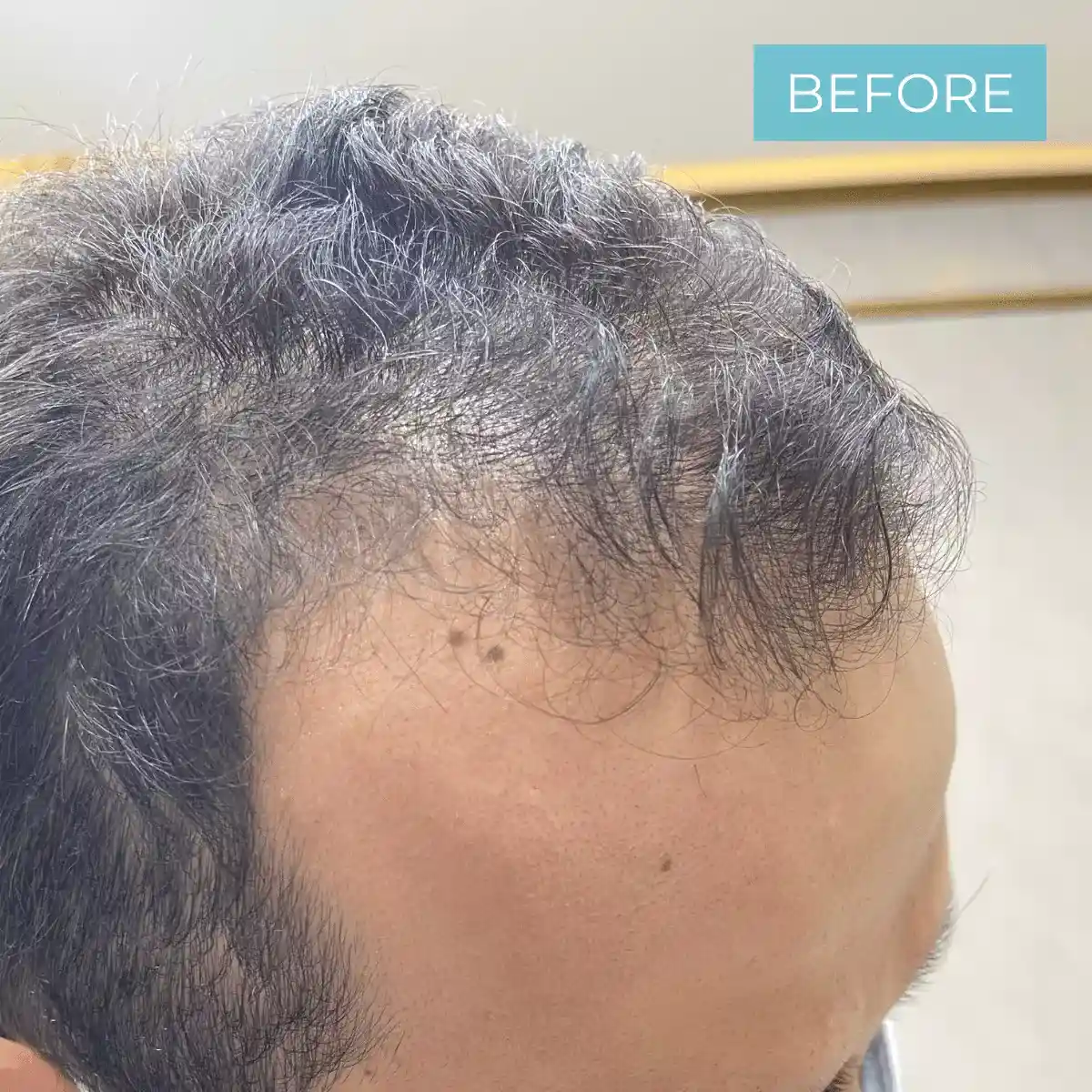
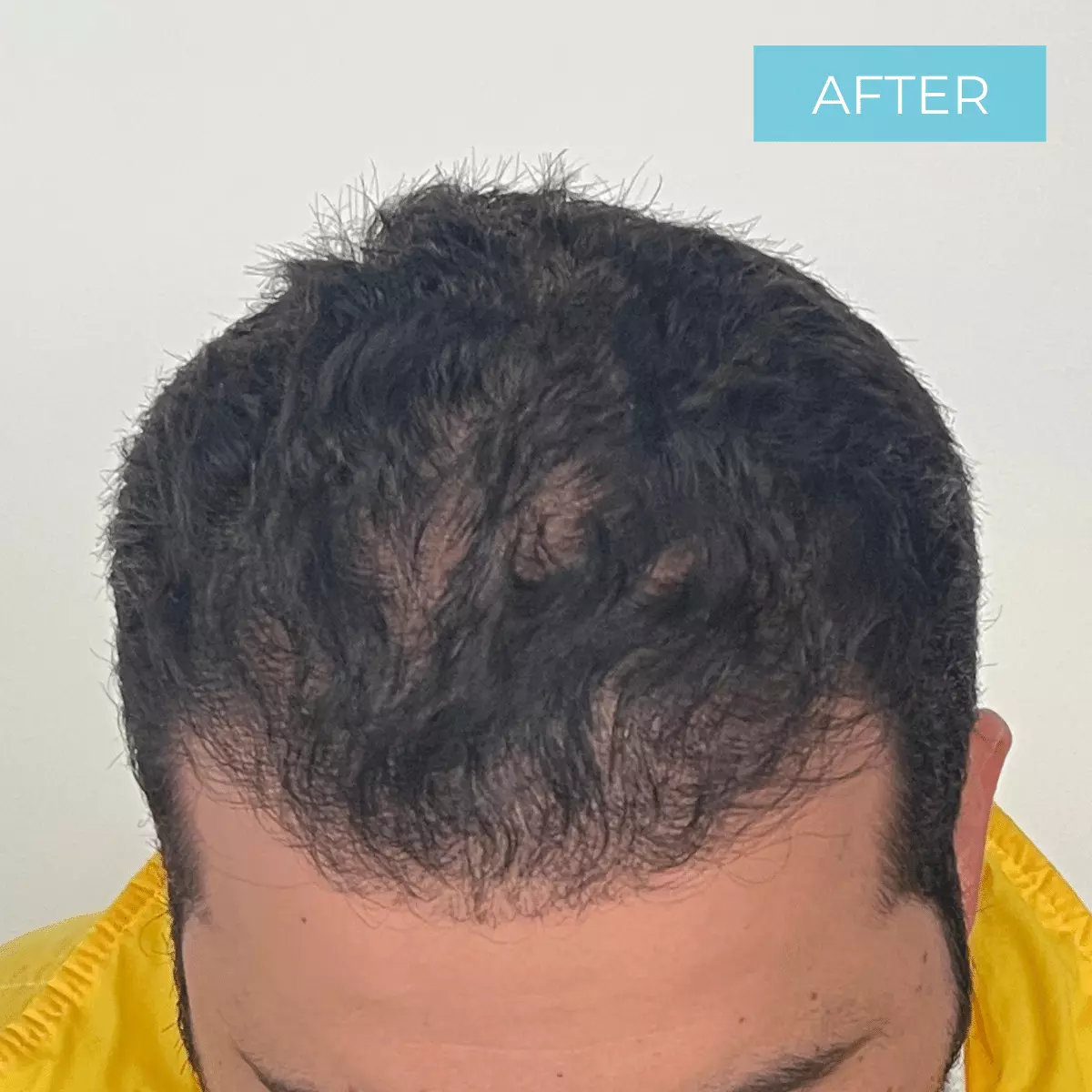
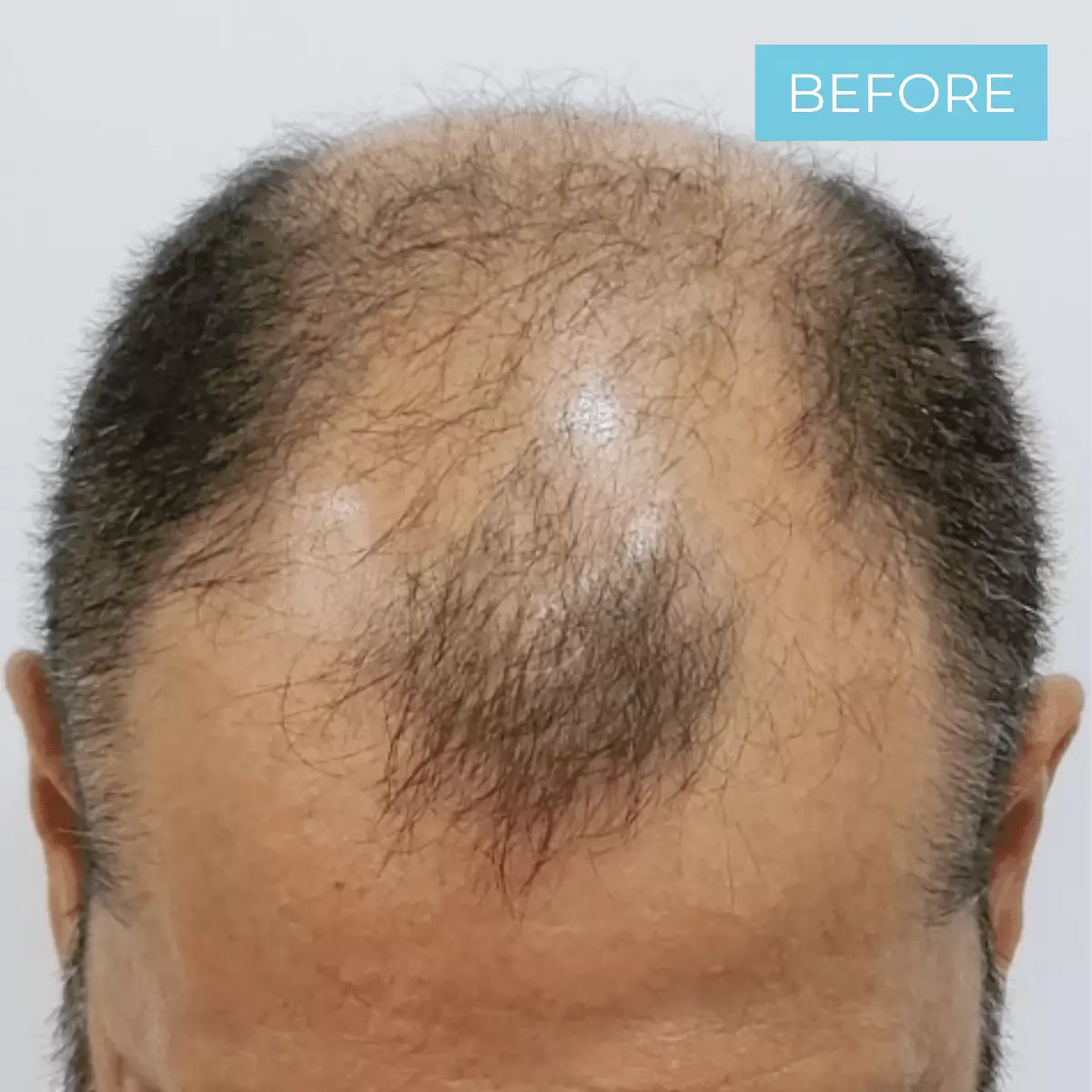
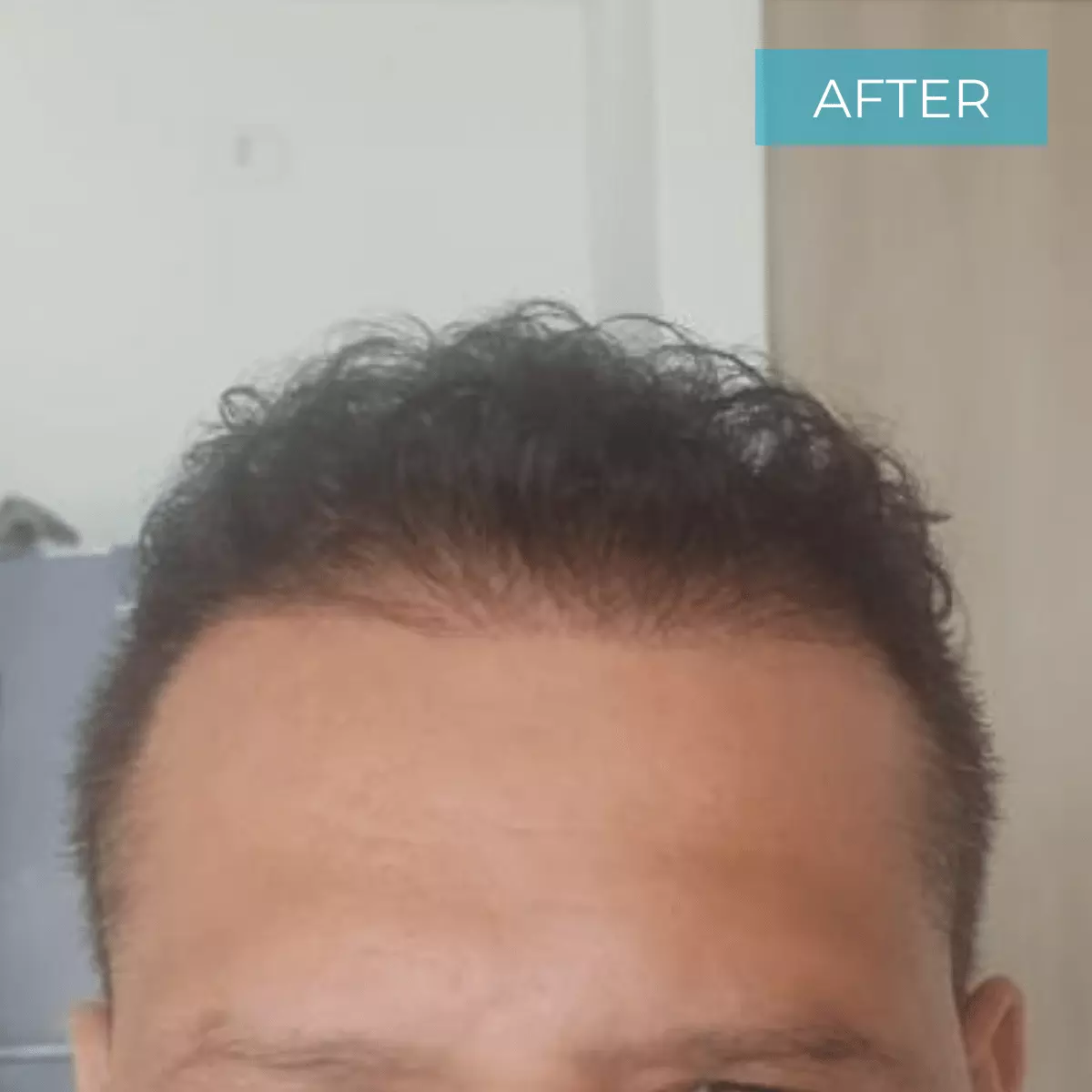
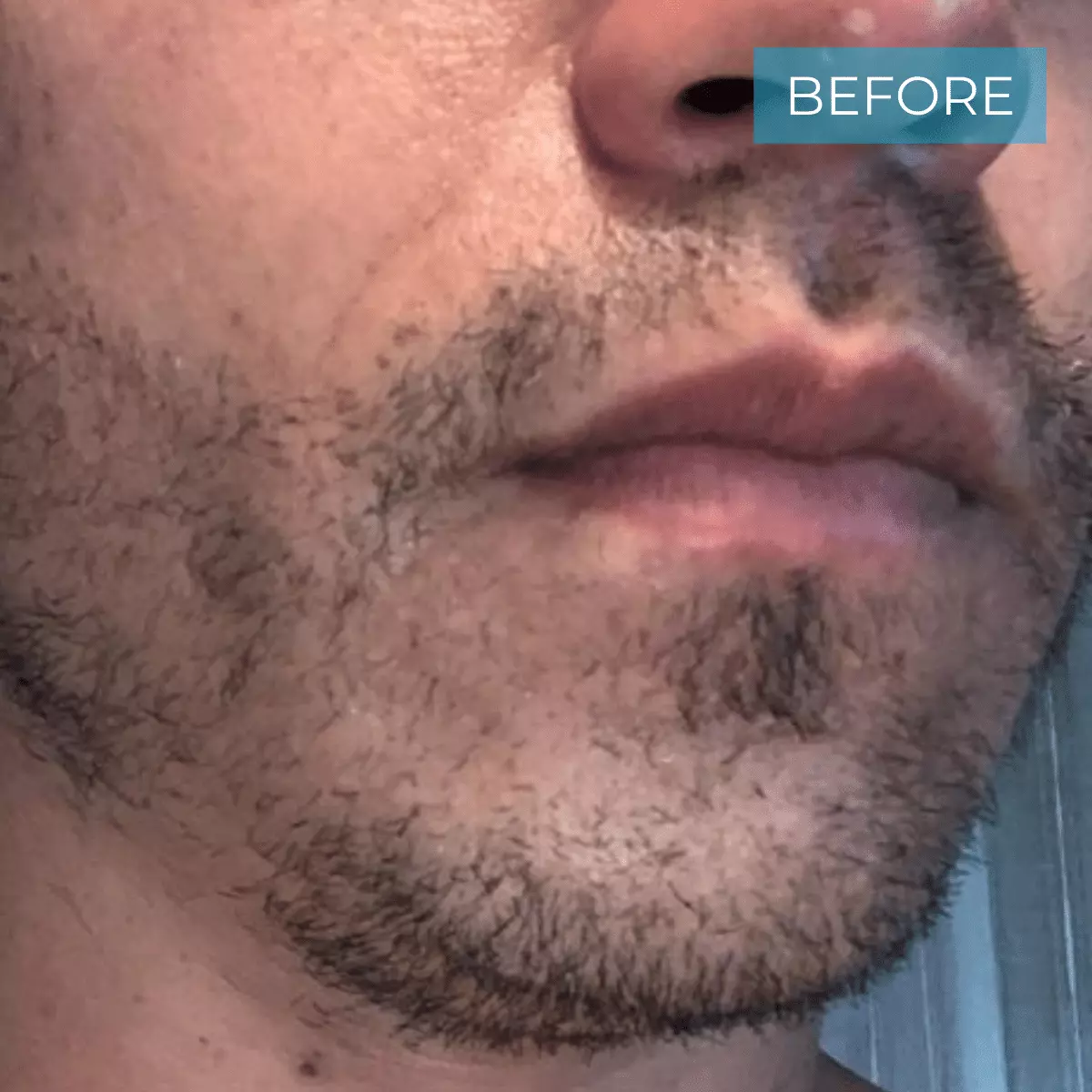
After we have already taken care of more than hundreds of our satisfied customers who performed hair transplantation through us, see for yourself the incredible results of some of our clients

Beard Transplant Colombia Before 007Beard Transplant Colombia After 007
Hair Transplant Colombia Before 026Hair Transplant Colombia After 026
Hair Transplant Colombia Before 045Hair Transplant Colombia After 045

Hair Transplant Bogota

All Inclusive Package

  • Complete FUE hair transplant procedure
  • 4-5 star luxury hotel accommodation
  • All local transportation is included
  • Dedicated English-speaking guide
  • Full concierge service from the airport to recovery
  • Stress-free hair restoration journey

Best Savings

  • Save $15,000-$25,000 vs US/Europe prices
  • Same premium quality treatment
  • 100% transparent pricing - No hidden fees
  • Multiple clinic quotes available
  • Top-rated Colombian surgeons
  • Affordable luxury medical tourism

F.U.E. Technic

  • State-of-the-art FUE technology
  • No linear scarring - undetectable results
  • Minimally invasive procedure
  • Minimal pain & fast recovery (7-10 days)
  • Permanent, natural-looking hair growth
  • Gold standard in hair restoration

Top Clinics in Colombia

  • 10+ years specialized experience
  • Top clinics in Bogotá, Medellín & Cali
  • Board-certified surgeons (not technicians)
  • Hundreds of successful procedures
  • Physician-led from consultation to completion
  • International training & certifications

Hair Transplant in Colombia

Colombia Hair Transplant Surgery 07

We partner with the best hair restoration clinics in Colombia, each with over 10 years of experience in hair transplantation.
Our network includes leading surgeons in Bogotá, Medellín, and Cali who have performed thousands of successful hair transplants.
All procedures are physician-led from start to finish – never delegated entirely to technicians – so you can be confident you’re in expert hands.

Hair Surgeries
+ 0
Years of experience
+ 0

Hair Transplant Steps

(1) Initial Consultation & Hair Analysis

Start by reaching out to us for a free consultation.
One of our experienced agents will review your photos and medical history to determine your candidacy.
We will explain your hair loss condition and the available options in clear, simple terms.

(2) Personalized Quote & Clinic Selection

Based on your case and goals, we provide a personalized quote and recommend the clinic that best suits your needs. We work with multiple top-rated clinics in Bogotá, Medellín, and Cali, giving you options.
You’ll know exactly what your hair restoration package includes and how much your Colombia hair transplant will cost – no surprises.

infografic arrow 2

(3) Arrival to Colombia

We assist you with travel planning and logistics.
Upon arrival in Colombia, an English-speaking guide from our team will meet you at the airport.
We arrange all ground transportation and check you into a comfortable hotel near the clinic (if needed).
You can relax knowing every detail is taken care of, from airport pickup to clinic visits.

(4) Hair Transplant Surgery

On the day of surgery, you’ll visit one of our partner clinics for your FUE hair transplant.
The procedure typically takes 7–9 hours, depending on the number of grafts.
You won’t feel pain during the surgery, Your personal guide will be present to assist as needed.
The medical team will walk you through each step, ensuring you are comfortable and informed throughout the process.

infografic arrow 2

(5) Post-Surgery Recovery

After the transplant, you will rest for a few days in Colombia (3–7 days) for initial recovery.
During this time, you’ll stay at your hotel and follow the post-op care instructions provided by the doctor.
Our team and the doctor will check on your progress – typically you’ll have a follow-up appointment a day or two after surgery to wash your scalp and ensure everything is healing properly.

(6) Enjoy your new look!

We remain in contact after you return home to monitor your progress.
New hair growth from the transplanted follicles starts to be visible around 4–6 months after surgery.
You can expect fuller results by 10–12 months post-transplant, once the transplanted hair has grown in completely.

Bogota Hair Transplant

Ready to restore your hair? Contact us now to get your free consultation and personalized quote for a hair transplant in Colombia.
We’ll be happy to guide you through every step of the journey to a fuller head of hair.
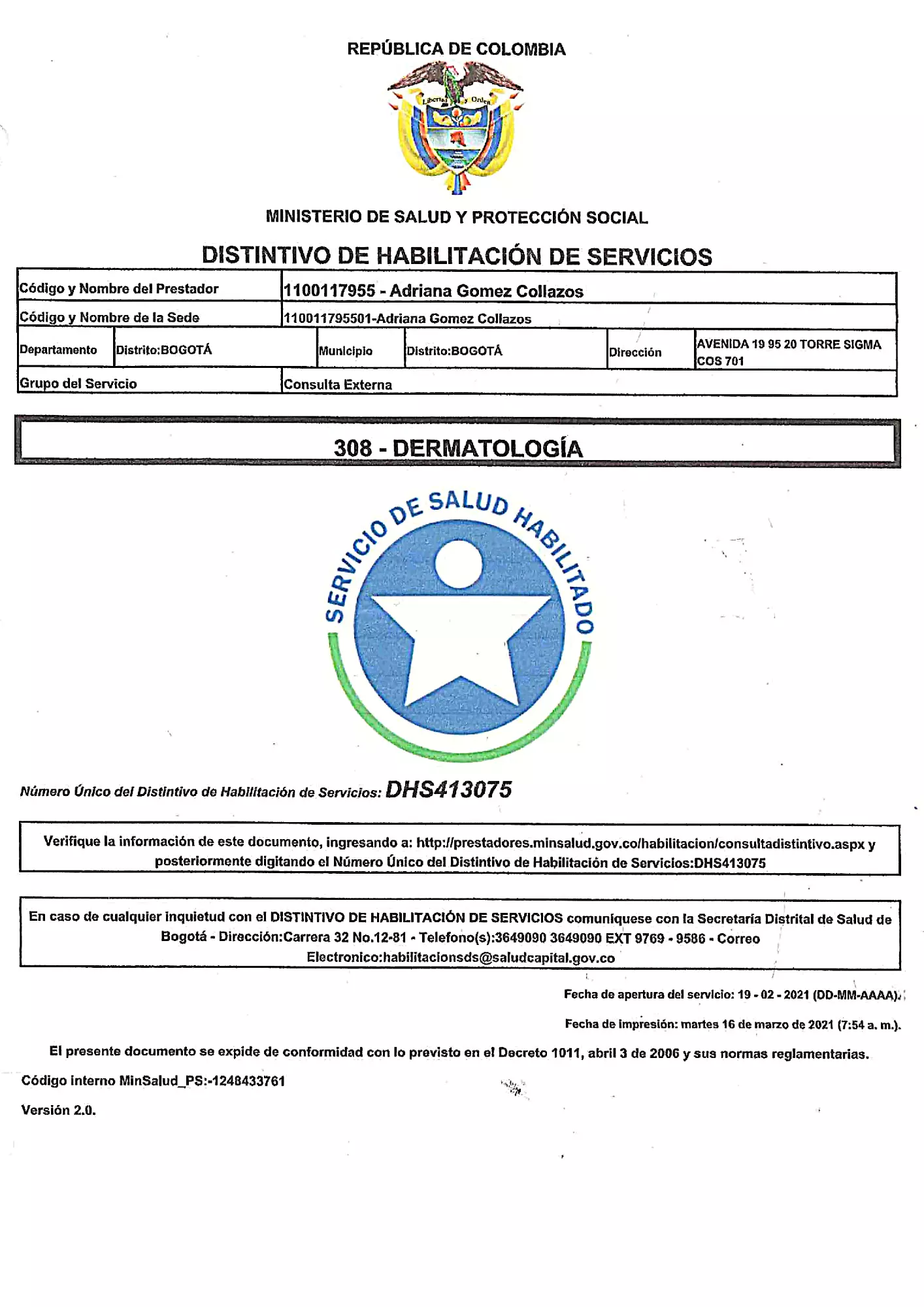
The central clinic is located in the newest and modern building called “Torre Sigma” located in the capital city of Colombia, Bogota D.C.

Torre Sigme drone view
Torre Sigma Bogota

FAQ

The first step is to reach out for a free consultation or hair analysis - You can contact us via our Website form, WhatsApp, email, or phone.

Medical Interview for Hair Transplant Candidacy

We will ask you to send some photos of your hair (front, top, and back) and inquire about your medical history or any previous hair treatments.

Our team’s hair loss experts will evaluate your case and explain what can be done.
We’ll provide an initial assessment of your hair loss and whether you’re a good candidate for a transplant.

This consultation is also a great time for you to ask questions.
There’s no obligation – we’re here to give you honest advice about getting a hair transplant in Colombia and what the process involves.

Candidacy depends on factors like your degree of hair loss, the quality and quantity of your donor's hair, your age, and your overall health.

Doctor analyze patience

Generally, good candidates have a sufficient amount of healthy hair on the sides or back of the scalp (donor area) that can be transplanted to thinning areas.

During your consultation, our medical experts will examine your photos to assess your donor area and the area of hair loss.
They will determine if a transplant is feasible and how many grafts might be needed.
If your hair loss is too advanced or your donor's hair is very limited, we might advise alternative treatments or a smaller transplant.

We’ll give you a frank, professional opinion - Factors like active scalp conditions (e.g., severe dermatitis) or certain health issues might need to be managed before surgery, but in general, if you are in good health and have available donor hair, you are likely a candidate for hair transplantation.

Colombia has become a top destination for hair restoration due to its combination of skilled surgeons, modern clinics, and significantly lower costs.

colombia post op hair transplant patient rooftop-2

The surgeons we work with are highly experienced – many have trained or practiced internationally – and the clinics are equipped with the latest technology.
You’ll receive care comparable to leading hair transplant centers in the US or Europe.
The difference is, in Colombia the overhead costs are lower, so we can offer procedures at a more affordable price.

Additionally, the level of personal attention is often higher:
you’ll have an English-speaking assistant and a dedicated team catering to you.

Patients also enjoy the benefit of recovering in a beautiful country.
Many choose Colombia not only to save money but also because they feel they get better service and a unique travel experience.
In short, Colombia offers world-class quality with added hospitality and value.

Yes, hair transplantation is generally very safe when performed by qualified professionals - All surgeries are done in certified clinics under sterile conditions.

Our partner clinics in Colombia adhere to strict medical standards and protocols, just like clinics in North America or Europe.
As with any surgery, there are some risks, but serious complications are extremely rare in hair transplants.

You might experience minor side effects like swelling on your forehead or mild soreness, but these are temporary. Infection is very uncommon (we’ll give you antibiotics as a precaution).

Our medical team will discuss all the risks and benefits with you before you decide on surgery.
Rest assured, we take every measure to ensure your safety – from pre-op blood tests to using proper anesthesia and monitoring you throughout.

We have performed thousands of procedures and have an excellent safety record.
If you follow the post-op care instructions we provide, the risk of any issue is very low.

We offer a comprehensive, concierge-level service that takes care of everything for you.

All-Inclusive Journey Colombia

Unlike a single clinic, which might just perform the surgery, our company coordinates your whole journey.
We will connect you with the right surgeon (we work with several top clinics, not just one), help you compare quotes, and ensure you get a fair price.

Once you decide to proceed, we handle all the details:
scheduling the surgery, arranging your hotel (we partner with nice hotels near the clinics), organizing all your transportation, and providing a bilingual guide.

Essentially, we remove all the stress of planning - You won’t have to worry about how to get around, where to stay, or how to communicate with local staff – we’ll be by your side.

Another thing that sets us apart is our all-inclusive package approach and transparent pricing – you get one price that covers everything, so it’s easy to understand.

We also remain your point of contact before, during, and after the transplant.
That means even after you fly home, you can reach out to us anytime for support or follow-up questions.

Our past clients often say this full-service approach made their experience smooth and reassuring.

Our affiliated clinics exclusively perform FUE (Follicular Unit Extraction) hair transplants.

fue-hair-restoration-icons

We do not use the older FUT “strip” surgery technique, because FUE offers so many advantages in terms of healing and minimal scarring.
With FUE, the doctor harvests grafts one by one from the donor area and implants them individually.
This approach is labor-intensive and requires skill, but yields excellent results.

All our surgeons are highly experienced in FUE and stay updated on the latest innovations (some use advanced tools like motorized FUE devices or even robotic assistance in certain cases).

By focusing on FUE, we ensure every patient gets a state-of-the-art standard of care.
In some cases, for very extensive hair loss, a combination of FUE and other techniques (like DHI implantation or even a second session FUT if a patient specifically requests it) could be discussed, but in general, FUE is our go-to method for virtually all patients because it’s effective and minimally invasive.

FUE stands for Follicular Unit Extraction.

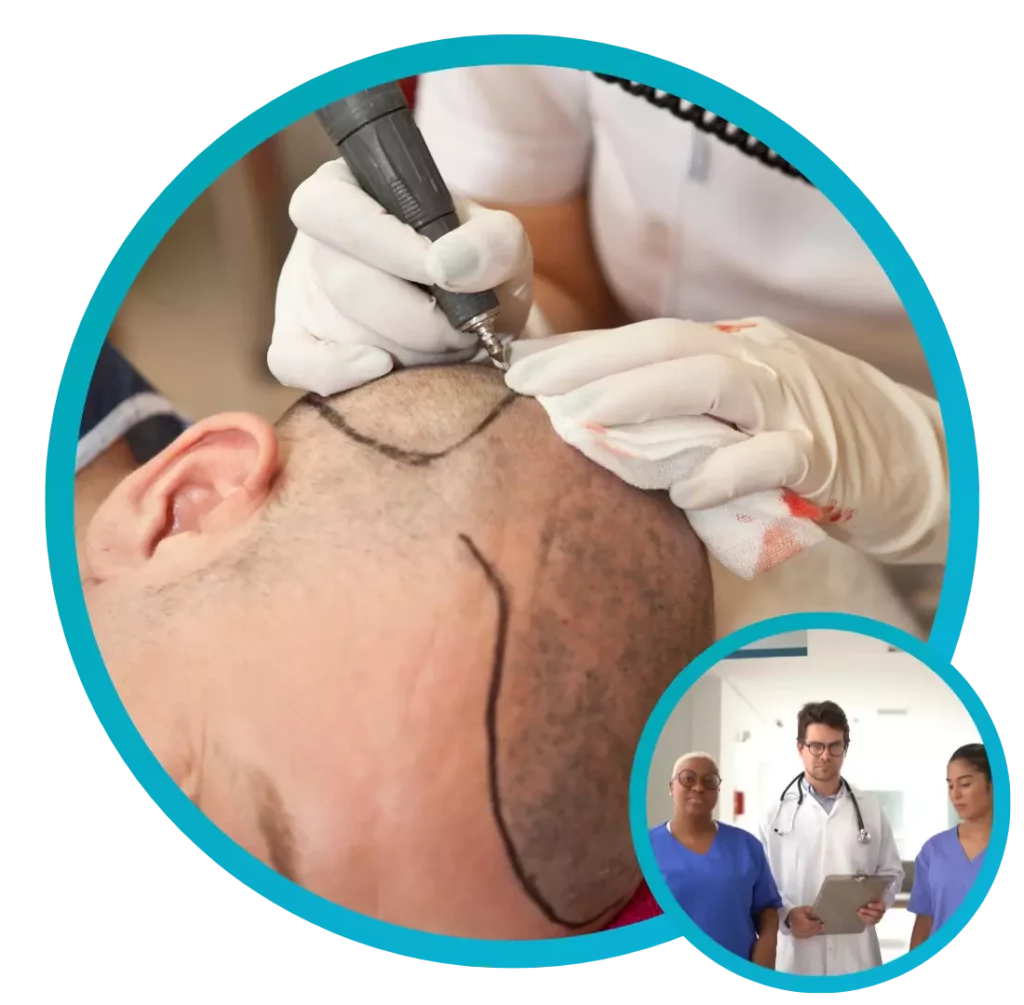
It’s a modern hair transplant method where the surgeon extracts individual hair follicles (follicular units) from the donor area using a tiny punch tool, typically 0.8 to 1 mm in size.
Those follicles are then implanted into the areas where hair is needed.
The benefits of FUE include:

Minimal Scarring: Instead of one long linear scar, FUE leaves tiny dot scars that are usually not noticeable, even with short hair.
This is a big advantage if you like to wear your hair short.

Faster Recovery: The small incisions heal quicker and with less discomfort compared to the strip method.
You’ll have little to no pain after, and the donor area heals within days.

Flexibility: FUE allows harvesting from various parts of the scalp (and even body hair in special cases) and doesn’t remove a large piece of skin.
This makes it possible to do transplants even in patients with tighter scalps or those who’ve had previous surgeries.

Natural Results: Because grafts are placed individually, the surgeon can artistically arrange them for a very natural hairline and density.
It also allows implantation in scar areas or between existing hairs with precision.

In summary, FUE is a gentler technique on the scalp that yields excellent growth of transplanted hair and a very natural appearance.

All the transformations you see in our gallery were achieved with FUE.
Our team will explain the FUE process to you in detail and ensure you understand why it’s the gold standard in hair restoration today.

The duration of a hair transplant can vary based on the number of grafts and the individual case, but generally:

Quiet Moments After hair Surgery


For smaller sessions (e.g., 1,000 grafts) it may take around 4–5 hours

For medium sessions (~2,000 grafts) around 6–8 hours 

For large sessions (3,000+ grafts) it could be 8–10 hours

Sometimes it spread over a full day with breaks.
We usually schedule only one major surgery per day per surgical team, so the doctor is fully focused and not rushed.
You will have breaks during the procedure – for example, a lunch break if it’s an all-day session, and short stretch breaks every couple of hours.

While it is a long procedure, it’s important to note that it’s mostly painless and time tends to pass comfortably for the patient.
Many of our patients watch movies, listen to music, or even doze off at times.

By late afternoon or early evening, you’ll be done and able to return to your hotel to relax.
We’ll ensure you know the expected schedule ahead of time so you can plan accordingly.

Hair transplant costs in Colombia are typically 50-70% lower than in the United States or Europe, for comparable quality of care.

The exact cost will depend on your specific case – mainly how many grafts you need.

To give a rough idea, an average hair transplant (say around 2,000–2,500 grafts) with us, including the all-inclusive service, might cost in the range of $1,500 to $3,000 USD total.

If you need a very large number of grafts (e.g., 4,000 grafts in two sessions), the cost could be higher (perhaps $3,000–$5,000, still far less than you’d pay elsewhere).

We will provide you with an exact quote after evaluating your hair and discussing your goals.
Our quote will include everything: the surgery itself, pre- and post-operative care, accommodations, transfers – the works.

There are no hidden fees.

We also often run special offers or seasonal promotions, which we can inform you of during the consultation.
In any case, we make sure that hair transplants in Colombia costs are transparent and affordable.

Many patients find that even after paying for travel and vacation time, they save money compared to doing it in their home country.
We encourage you to compare our quote with quotes from the US/Europe – the difference is significant.

Importantly, saving cost doesn’t mean sacrificing quality; you’ll get equal or better medical care, just at a better price point.

The hair transplant process can be broken down into several key steps:

  • Initial Consultation & Planning: You contact us and send your photos.
    Our doctor evaluates them and we discuss what result you’re looking for.
    We provide a plan and a price quote and then we schedule your procedure for a date that works for you.

  • Preparation (Pre-Op): Before you travel, we give you instructions (for example, avoid certain medications, don’t shave your head completely, etc.).
    Once you arrive in Colombia, we do an in-person assessment, blood tests if needed, and finalize the game plan.
    On surgery day, your hair is washed and trimmed as needed, and the areas are marked for surgery (hairline design, donor area outline).

  • Anesthesia & Donor Harvesting: You’ll lie face-down (for donor extraction) and the doctor will numb the donor area.
    Using FUE, they will extract the hair grafts from the back/side of your scalp. This can take a few hours for a large number of grafts. The grafts are collected and preserved in a solution to keep them healthy.

  • Site Creation: Next, you’ll lie on your back, and the recipient (balding) area is numbed with a local anesthetic.
    The surgeon creates tiny incisions where each graft will go.
    This defines the direction and pattern of your new hair growth.
    If we’re doing a large area, this can also take an hour or more as thousands of little sites are made.

  • Implantation: The surgical team (doctor and assistants) meticulously place each graft into the incisions, they usually start at the front (hairline) and work backward.
    You’ll be awake and can talk or rest; by this point, many patients just watch a movie or even nap.
    Implantation continues until all grafts are placed.

  • Post-Surgery & Instructions: After implantation, your scalp is cleaned gently, We’ll apply a bandage or headband if needed.
    Then we spend time with you going over how to care for your scalp in the coming days.
    You’ll get written instructions, and a supply of any needed medications (antibiotics, pain reliever, anti-inflammatory).

  • Follow-Up in Colombia: The day after (or two days after) surgery, we typically have you come back for a check-up.
    The doctor will examine the transplanted area and donor area to ensure everything looks good.
    We’ll do the first gentle hair wash for you, teaching you the proper method, after that, if you’re staying a few more days, you can enjoy some light sightseeing or just relax.
    We remain a phone call away if you need anything.

  • Return Home & Recovery: You can fly home usually 2-3 days after surgery.
    We advise taking around a week off work (some return sooner, especially if they can work from home).
    In the first week, you’ll be doing daily gentle washes and letting the scabs flake off naturally.
    By 10 days post-op, the transplanted area should be healed enough that the grafts are secure and the scabs are mostly gone.
    The donor area will also be healed (the tiny extraction points close up).

  • Shedding Phase: Don’t be alarmed, but around weeks 2-4, the transplanted hairs will fall out. This is normal “shock loss” – the follicles go dormant briefly after being moved.
    Your scalp may look like it did before the transplant for a little while.

  • Hair Growth Phase: Around month 3, new hairs begin to sprout, they will be thin at first, but over 4-6 months they thicken and more hairs come through.
    By month 6, many patients see a noticeable difference; by month 12, the final result is usually evident (some people even see continued maturation up to 18 months).

  • Maintenance: We will stay in contact to check on your progress at intervals (1 month, 3 months, 6 months, etc., usually via email or WhatsApp with photo updates).
    If you have any concerns or questions, you can reach out anytime.
    We might recommend certain shampoos or medications (like finasteride or minoxidil) to help maintain your existing hair and enhance the transplant results, depending on your situation.

for more info click here

Recovery after an FUE hair transplant is relatively quick and easy, most patients feel well enough to go back to daily activities within a day or two after surgery, as long as those activities are not strenuous.

Here are some guidelines:

First 1-3 Days: You’ll want to take it easy and rest at your hotel or home.
You might have some forehead swelling (usually day 2-4) which subsides on its own. During this period, you should avoid touching or scratching the transplanted area.

We’ll show you how to lightly wash your scalp starting the second day.
You can do light activities (walking around, easy movements), but don’t bend over too much or do anything vigorous.

Day 4-7: By now, any swelling is typically gone, the transplanted grafts are anchored in place.
You can return to work by day 3 or 4 if your job is not physically demanding.
If your work involves dust or dirt exposure, or a helmet (for example, construction).
You might need to wear a loose clean hat or take a full week off to be safe.
Many of our patients who have office jobs or work from home are back to work within 2-3 days, some even the next day (wearing a cap or bandana on video calls if they want to hide the surgery).

Day 7-10: By the end of the first week, the tiny scabs in the transplanted area will start falling off as you continue gentle washing.
After about 10 days, all transplanted grafts are firmly in place and the risk of dislodging a graft is essentially over.
At this point, the transplant area might have some pinkness, but it’s okay to gently touch it.
You can also usually resume exercise after day 10 – start with light exercise and ramp up intensity in 3 week and beyond.

Two Weeks: At two weeks post-op, you’re generally in the clear to resume pretty much all normal activities, including heavy exercise, swimming, etc., unless otherwise advised by the doctor.
Your donor area will just look like a short haircut (FUE extraction points heal as small dots that are hard to see).

Appearance considerations: Some patients don’t want anyone to know they had a transplant.
In that case, plan for about 2 weeks of “laying low,” because for the first 10 days the scabs are visible on the recipient area, and you might trim your hair shorter in the donor area for surgery.
After two weeks, you’ll look quite normal – the transplanted hairs will be cut short and starting to shed, but you can wear your hair normally, and any redness can be covered by existing hair or concealer if needed.

By one month: it’s usually undetectable that you had a transplant (aside from the fact that hair might still be a bit thin until new growth comes in).

In summary, recovery is more about patience than pain, you won’t be in much pain (just minor soreness for a few days easily controlled with medication).
The biggest “downtime” factors are the cosmetic signs of surgery (scabs, redness) which are mostly gone by 10-14 days.

We will give you detailed instructions on how to sleep (usually on your back with your head elevated for a few nights), how to wash, and what activities to avoid short term. As long as you follow those, you’ll heal quickly.

Most people are pleasantly surprised at how fast they get back to feeling normal.
Within a week, you’ll likely be doing almost everything you were doing before, just with a bit of caution.

Hair restoration is a process that unfolds over a year. It requires some patience, but knowing the timeline can help set your expectations:

Immediately after surgery: You will see the new hair stubble in place on your head right after the transplant. This can be exciting, but remember these implanted hairs will go through a cycle before growing for good.

0-2 Weeks: The transplanted hairs remain for a short while.
By the end of the second week, most people experience “shock loss,” where the transplanted hairs are shed from the follicles, This is completely normal.
The follicles remain on your scalp – they are just shifting into a resting phase after the stress of surgery.
You have not lost the grafts; the hair shafts that fell out will start to regrow new hairs.

1-3 Months: During this resting phase (called telogen), you might not see much happening above the skin.
Around the 3rd month is typically when the new growth starts to become visible.
You may notice fine hairs emerging in the transplanted area, sometimes you’ll feel little bristles when you run your hand over it.

4-6 Months: Now the progress becomes noticeable, Many of the transplanted hairs (though not all yet) will be growing.
They often come in thin and light in color initially but will thicken over time.
By 6 months, you might see around 50% of the result, At this stage, you’ll definitely observe improvement – perhaps a new hairline taking shape, or a thinning crown looking denser.
Friends and family will likely notice a difference, though your look will continue to fill in more.

6-9 Months: This is a period of significant improvement. The hair that started growing continues to get thicker and longer.
New grafts that were slower to awaken will also start growing, you’ll see your hair volume increasing month by month.
Styling becomes easier as transplanted hair gains length.

12 Months: At the one-year mark, we consider the hair transplant result essentially complete for most patients.
By this time, the transplanted hair has gone through several growth cycles and has attained a normal texture.
The overall density you’ll have is apparent at this point. Your hair should look and feel completely natural — because it is your natural hair, just relocated.

12-18 Months: In some cases (especially for crown area transplants, or if you have very thick hair shafts that take longer to mature), you might see continued maturation for up to 18 months.
The crown can be a little slower to show density. Also, any slight textural changes in the hair (sometimes transplanted hair can be a bit wavy or different at first) will normalize by this time.

Yes, absolutely.

A natural look is one of our top priorities.
The transplanted hair will be your own hair growing from your scalp, so in that sense, it inherently looks natural.
The key to a truly undetectable hair transplant, however, lies in the planning and artistry:

Hairline Design: Our surgeons design a hairline that suits your face, age, and head shape.
We avoid making it too low or straight – common mistakes that can make a transplant look obvious.
Instead, we recreate the gentle irregularity of a natural hairline and place single-hair grafts at the front for softness.

Angle and Direction: Each graft is implanted to match the natural angle and direction of your hair growth in that area.
Hair doesn’t grow straight out at 90 degrees; it has subtle patterns (for example, hair at the temples angles toward the back, the crown has a spiral, etc.).
We replicate these patterns so the new hair lays in the same direction as the surrounding hair.

Density Gradation: In nature, hair isn’t equally dense everywhere – it’s often a bit more delicate in the very front and denser as you go back, We follow this principle.
By using finer single follicles at the front and gradually blending into two-hair and three-hair grafts, we create a natural gradient of density that looks just like nature intended.

No Linear Scar: Because we use FUE, you won’t have a telltale scar line on the back of your head.
This means you can wear your hair short without anyone seeing a surgical sign.
The tiny extraction points are scattered and heal as small dots that are hard to detect.

Once the transplanted hair grows in, it should be virtually indistinguishable from your original hair.
You can wash it, comb it, cut it, dye it – whatever you normally do.
People meeting you for the first time will simply think you have great hair genetics! Even barbers or hairstylists often cannot tell if someone has had a transplant, especially FUE, unless they knew the person before their hair was restored.

We have had many clients report that after a year, they get compliments like “You look younger” or questions like “Did you change your hairstyle?” but rarely does anyone suspect a transplant unless told.
Our goal is for your result to be subtle in implementation but significant in impact – meaning your friends notice you look better but the hair itself doesn’t look “fake” or “pluggy” at all. We achieve that through meticulous technique and extensive experience in what natural hair growth looks like.

Considered a permanent solution for hair loss.

The reason is that the hair follicles we transplant are taken from the “permanent zone” of your scalp – typically the back and sides of the head.
These hairs are genetically resistant to the hormone (DHT) that causes common male pattern baldness.

When we move those follicles to a new area, they retain that resistance, so they continue to grow hair for a lifetime, just as they would have if they stayed in the donor area.

Once a transplanted follicle has taken root in its new location (which happens in the first weeks after surgery), it will go through the normal hair growth cycle.
As we discussed, the hairs will shed initially, then regrow starting a few months later.
After that, the new hair grows just like your other hair, It isn’t temporary or artificial; it is living tissue that is now part of the balding area.

It’s important to clarify that the transplanted hairs are permanent, but that doesn’t mean you won’t ever lose hair again – you may continue to lose some of your native hair over the years if you have progressive hair loss.

The transplant doesn’t stop the progression of male pattern baldness in hairs that were destined to thin.
For example, if you had a transplant to fill in the front, and you still have thinning in the crown, that crown thinning could worsen in the future.
That’s why we often recommend medical therapies (like finasteride or minoxidil) to help stabilize the rest of your hair. In some cases, a patient might choose to do another transplant years down the line if hair loss continues in other areas.

But the hairs that we moved – those stay.
They are very unlikely to miniaturize and fall out because of their donor dominance (their genetic programming from the back of the head).
There are rare instances due to aging or certain medical conditions where transplanted hair could thin slightly (because all hair can thin a bit in very advanced age), but in general, you can expect that once your transplant result is achieved at 12 months, that hair is there to stay.

We’ve seen patients after many years of their transplants still have that same transplanted hair growing strong.
You might style it differently as you get older, but it should continue to grow.

So yes, the results are effectively permanent.
The transplanted hair will not “fall out” in the way your original hair did, It’s a long-term investment in your appearance.

This is a common question
A hair transplant will restore hair to bald areas, but it does not prevent future hair loss of your existing hairs.
Medications like finasteride (Propecia) or minoxidil (Rogaine) are treatments that can strengthen and preserve your native hair.
We generally recommend considering these, especially if you are young or have a lot of hair still that could thin later.

Finasteride: This is an oral prescription pill (1 mg daily) that helps prevent further hair loss by blocking DHT.
Many transplant patients take finasteride to protect the hairs that were not transplanted (for example, hair in the crown or mid-scalp that wasn’t addressed yet).
It can significantly slow or stop the progression of male pattern baldness in most men.
If you’re comfortable with it, starting it before or right after your transplant can help maximize the longevity of your overall hair (Note: we ensure you understand potential side effects, which are uncommon and usually reversible if the medication is stopped).

Minoxidil 5%: This is a topical treatment (liquid or foam) applied to the scalp.
It can promote slightly faster growth of transplanted hair and help native hair as well.
Some doctors suggest using minoxidil after transplant to possibly speed up the growth phase, It’s optional, if you enjoy the ease of it and have used it before, you can resume it about 2-3 weeks after surgery.
If you’ve never used it, we can guide you on how and whether it’s worth adding.

supplements/treatments: Biotin or other hair vitamins are fine but not critical, they may improve general hair health.
PRP (Platelet-Rich Plasma) therapy is another optional treatment some patients do after transplant to possibly enhance growth – if you’re interested, we can arrange a PRP session while you’re here or advise on getting it back home.

In summary, you don’t have to take medications to keep the transplanted hair – it will grow regardless.
The meds are about the non-transplanted hair.

Many patients choose to take finasteride to protect their investment (the transplant) by ensuring the surrounding native hair doesn’t vanish, which could otherwise make them need another transplant sooner.

Others, due to personal preference or side effect concerns, opt not to take medications and understand they might need a touch-up transplant in the future if an additional loss occurs.

In the majority of cases, yes, a single procedure can produce a great result for a receding hairline or a moderate bald spot.

We often transplant between 2,000 and 3,000 grafts in one session, which is enough to densely restore a hairline and frontal scalp, for example, or fill in a typical crown bald patch.

If your hair loss is not extremely advanced, one session is usually sufficient to meet your goals.
However, the answer can depend on how extensive your hair loss is and what your expectations are:

If you have a mild to moderate receding hairline, one FUE session can rebuild the hairline and add density behind it, effectively addressing the issue in one go.

If you have a small bald spot on the crown, one procedure can cover it, although the crown often needs a lot of grafts to appear full because of the spiral pattern.
We manage expectations for crown work – often one session will make a big difference, but very large crowns might still look thin if not enough grafts can be safely transplanted in one attempt.

For extensive baldness (Norwood 6 or 7 pattern), where most of the top is bald, typically more than one session is needed to achieve maximum coverage.
We might do, say, 3,000 grafts to restore the front half in the first session, and then another 2,000–3,000 grafts in a second session (6+ months later) to fill the crown.
We’ll let you know in the planning stage if we anticipate needing multiple sessions based on your goals.

Some patients choose to do one large session and are happy with a conservative hairline and some thinning remaining (they prefer not to chase perfection).
Others want as full a head as possible and opt to do a second session for extra density, It can be a staged approach.

The good news is that FUE is flexible – doing another session in the future is usually quite feasible if you have remaining donor hair.
Also, the results of each session are permanent, so nothing is lost by doing it in phases.

We always aim to design a plan that looks complete after one session, if at all possible.
We prioritize the most visible areas (like the front) so that even if you only do one surgery, you’ll look significantly improved and natural.
If more work is desired later, it will further enhance the result.

During your consultation, we will evaluate how many grafts you’ll likely need to achieve your desired density and coverage.
We’ll discuss whether that can be done in one session safely or if splitting into two might be better to not over-harvest the donor at once.
Each person is unique, but rest assured, even after one well-planned session, you will see a dramatic positive change.

Yes, we do.
In addition to scalp hair transplants, our team is experienced in facial hair transplantation (beard, mustache, sideburns) and eyebrow transplants.

These procedures use the same FUE technique, but the planning and execution are tailored to the facial areas.

  • Beard Transplants: Very popular for men who have patchy beards or want a thicker facial hair presence. We can fill in specific areas (like the cheeks or a goatee) or create a full beard. The donor hair usually comes from the scalp (since scalp hair, when it grows on the face, takes on the characteristics of beard hair to a large extent). It can significantly improve the fullness and shape of a beard. Recovery and growth phases are similar to a scalp transplant – initial shedding, then regrowth over 6-12 months.

  • Eyebrow Transplants: These require precision, as eyebrow hairs have a specific growth angle and direction (nearly flat against the skin) and often single-hair grafts. We typically take very fine hairs from the nape of the neck or around the ear area as donors because they more closely resemble eyebrow hair. Eyebrow transplants can create a fuller, well-defined brow for those who have over-plucked or naturally thin brows, or have lost brows due to injury. The transplanted eyebrow hairs will need occasional trimming (since scalp hairs grow longer than native eyebrow hairs), but results are excellent in terms of aesthetics.

  • Eyelash Transplants: These are less common, but possible. They involve transplanting hair into the eyelid margin. Not every clinic offers this due to the delicate nature, but if a patient inquires, we can discuss the feasibility.

  • Other Areas: We have performed transplants for patients with scars (like a scar in the scalp or beard where hair doesn’t grow – we can implant into it), and even chest hair or pubic hair reconstruction in rare cases. If you have an area of the body or face where you desire hair and it’s medically safe to do, we’re open to evaluating it.

All these procedures are done with the same attention to detail and safety as our scalp hair transplants. If you are interested in any of these, please let us know. We can often combine procedures (for instance, some patients do a scalp and beard transplant together if time/graft count allows). Or we can focus on one area at a time.

We’ve included separate sections on our website (and galleries) for beard and other transplants – feel free to explore those for more information. And as always, a consultation can help address specifics about these types of transplants.

No worries at all – our entire service is designed for English-speaking (and other language-speaking) international patients - Communication will not be a barrier.

Here’s how we ensure that:

English-speaking Staff: All of our key coordinators and guides are fluent in English.
Your personal assistant/translator will be with you for every medical consultation, pre-op and post-op discussion, and even in the operating room (just outside the sterile field) if needed to relay information.

Written Materials: We provide all important instructions and educational materials in English.
Your post-op care guide, for instance, is written in English.

24/7 Support: During your stay, if you ever need to communicate with hotel staff, drivers, pharmacy, etc., your guide will assist or translate for you.
You will also have a contact number to reach us at any time for any urgent needs.

From the initial video/phone consultation to the day you leave with your new transplant, we make sure language is 100% taken care of.

We’ve had patients from all over the world (Europe, South America, North America) who felt very comfortable despite never speaking a word of Spanish.
Our aim is that you feel at home and fully informed throughout your journey.

We understand that getting a hair transplant abroad is a big decision, and you might have more questions even after reading this FAQ!

We encourage you to reach out to us with any and all
questions – there’s no such thing as too many questions. Our team is here to give you all the information you need to feel comfortable.

Additionally, we can provide before-and-after photos relevant to your type of hair loss (beyond what’s on the site) if you want to see similar cases.

We can also schedule a video call with the medical consultant or even the surgeon if you have specific medical questions that you’d like answered directly by the doctor before you commit – we want you to be completely at ease.

In summary - we’re here for you.

Whether it’s a quick question about how to book or a detailed discussion about the procedure, don’t hesitate to contact us.
We aim to be transparent, supportive, and responsive from day one.

Colombia Hair Transplant


At Colombia Hair Transplant, we understand that every patient has unique needs and desires. That’s why we offer personalized care and attention to each patient so that we can provide the best possible experience.

Our team of experts will offer you a variety of clinics to choose from depending on your location and then match you with the clinic, the doctor, the surgery times according to what was agreed with the agent

We only works with doctors with many years of professional experience who have proven themselves over the years to provide the best and most efficient service, an affordable price and an easy and enjoyable experience in Colombia

Colombia Hair Transplant Surgery 11